
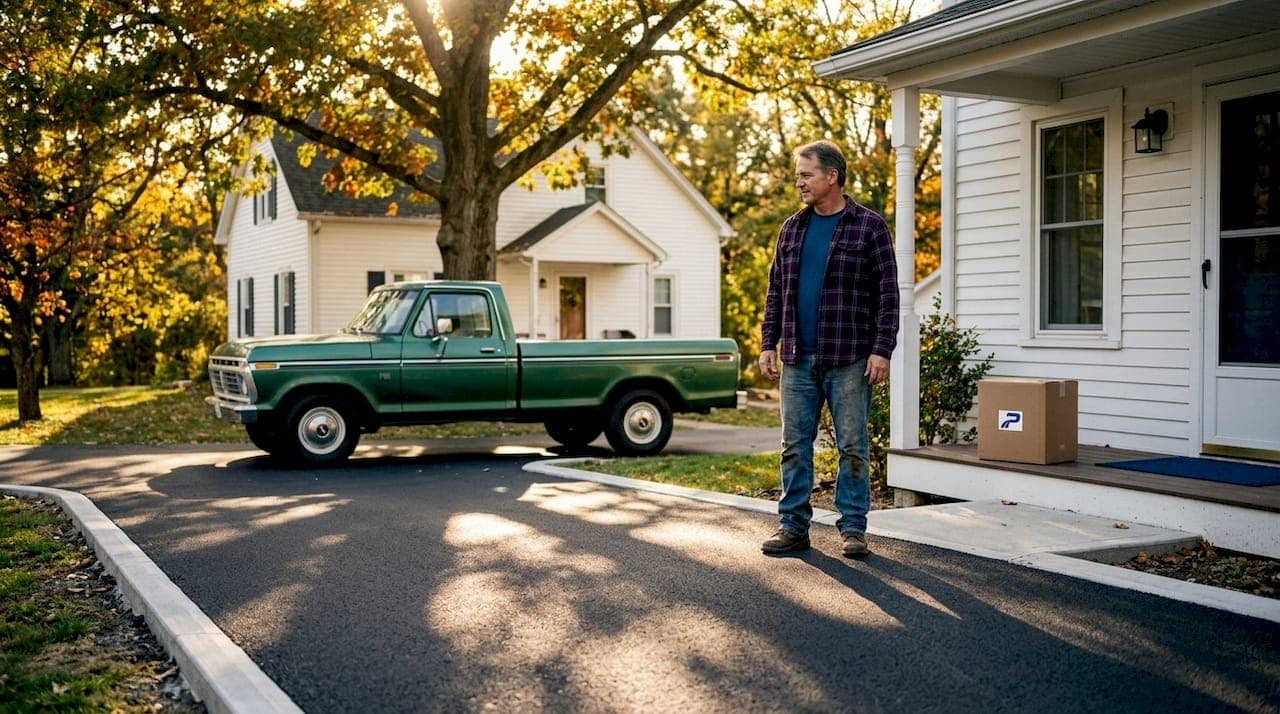
Choosing the right residential paving options in Tennessee means weighing more than just looks. You're making a decision that affects your property value, your maintenance schedule, and how well your driveway, patio, or sports court holds up through Tennessee's wet winters and humid summers. The stakes are real: a poorly chosen material can crack, heave, or flood within a few years. This guide breaks down every major option with honest costs, climate fit, and practical advice so you can spend your money with confidence.
Table of Contents
- Key takeaways
- 1. How to evaluate residential paving options for your Tennessee home
- 2. Concrete and stamped concrete
- 3. Asphalt paving for driveways and courts
- 4. Interlocking pavers: materials, patterns, and benefits
- 5. Gravel and alternative paving options
- 6. Side-by-side comparison of major paving materials
- My take on choosing residential paving in Tennessee
- See your paving project done right with Pinnaclepave
- FAQ
Key takeaways
| Point | Details |
|---|---|
| Climate shapes your choice | Tennessee's freeze-thaw cycles and rainfall demand materials with proper drainage and flexible or air-entrained bases. |
| Pavers offer the longest lifespan | Interlocking pavers can last over 50 years and allow modular repairs without full replacement. |
| Asphalt wins on entry-level cost | At around $6.00 per sq ft, asphalt is the most budget-friendly paved surface for driveways in Tennessee. |
| Permits are required in Tennessee | New driveways typically require a permit in Tennessee, with fees and inspection requirements varying by county. |
| Base prep determines longevity | No surface material compensates for a bad base. Drainage design and compaction are what separate a 10-year surface from a 30-year one. |
1. How to evaluate residential paving options for your Tennessee home
Before you compare materials, you need a clear framework. Tennessee homeowners face a specific set of conditions that rule out certain choices and elevate others.
Climate comes first. Tennessee experiences genuine freeze-thaw cycling in winter, particularly in Middle and East Tennessee. Water infiltrates surface cracks, freezes, expands, and widens the damage. Air-entrained concrete and flexible materials like asphalt handle this better than rigid, poorly jointed surfaces. Rainfall is also heavy statewide, which means drainage design is not optional.
Budget range overview. Installed driveway prices in Tennessee in 2026 run from roughly $1.75 per sq ft for gravel to $6.00 for asphalt, $7.50 to $8.50 for concrete, and up to $17.00 for pavers. A 510 sq ft concrete driveway in Nashville runs between $5,234 and $7,081. Those numbers shift fast depending on base preparation, grading, and drainage work.
Key criteria to weigh before choosing a material:
- Freeze-thaw durability: Does the material flex or resist cracking through Tennessee winters?
- Drainage capacity: Will water run off or pool, causing damage underneath?
- Lifecycle cost: What does maintenance add to the upfront price over 20 years?
- Project type fit: Driveways need load-bearing strength. Patios need aesthetics and drainage. Sports courts need smooth, durable, resurfaceable finishes.
- Permitting: New driveways in Tennessee require permits. Davidson County charges approximately $140 with compaction and surface inspections required.
Pro Tip: Before you fall in love with a material, check Tennessee pavement standards for your county. Some materials and driveway widths require permit approval before any ground is broken.
2. Concrete and stamped concrete
Concrete is one of the most popular home paving ideas in Tennessee because it combines genuine durability with design flexibility. A well-installed concrete driveway or patio can last 30 to 50 years with minimal structural maintenance.
Standard poured concrete gives you a clean, neutral surface that suits most home styles. Stamped concrete takes it further, mimicking brick, slate, or cobblestone at a fraction of the cost of those materials. You can add color, texture, and pattern to match your home's exterior without paying for natural stone.
The real concerns with concrete in Tennessee are cracking and freeze-thaw performance. Proper joint spacing every 8 to 12 feet allows the slab to expand and contract without uncontrolled cracking. Air-entrained concrete mixes resist frost damage far better than standard mixes. Both require professional installation. A DIY concrete pour without proper grading and drainage is a liability.
Key points to know about concrete for Tennessee projects:
- Cost range: $7.50 to $8.50 per sq ft installed, higher for stamped finishes
- Lifespan: 30 to 50 years with proper maintenance
- Maintenance: Seal every 3 to 5 years, repair cracks promptly to prevent water infiltration
- Stamped concrete limitation: The colored sealer on stamped concrete requires more frequent reapplication than plain concrete, roughly every 2 to 3 years
Pro Tip: For patios in East Tennessee where freeze-thaw cycles are more severe, ask your contractor specifically for air-entrained concrete with a minimum 4-inch slab thickness and adequate sub-base compaction. Those two details determine whether your patio looks great in year 5 or starts showing spider cracks.
3. Asphalt paving for driveways and courts
Asphalt is the go-to choice for homeowners who need a durable, functional driveway without spending at the top of their budget. At around $6.00 per sq ft installed, it sits well below concrete and far below pavers while delivering solid performance for residential driveways and sports court bases.
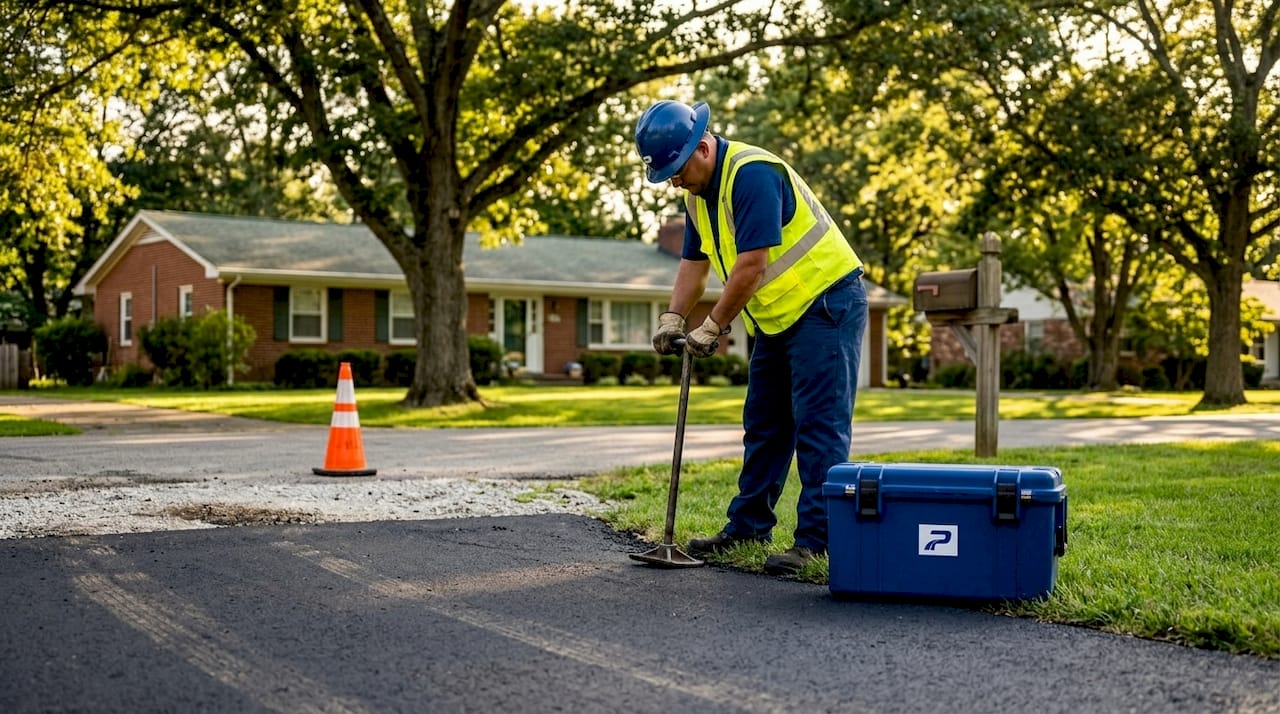
What makes asphalt attractive in Tennessee is its flexibility. Unlike rigid concrete, asphalt flexes slightly under freeze-thaw pressure, which reduces the risk of catastrophic cracking. It also heats up fast in winter sunlight, which helps snow melt faster than it would on concrete or pavers.
The trade-off is maintenance. Asphalt needs sealcoating every 3 to 5 years to protect the binder from UV oxidation and water infiltration. Without it, the surface becomes brittle and begins to ravel. With routine pavement coating maintenance, a well-installed asphalt driveway lasts 20 to 30 years.
What Tennessee homeowners should know about asphalt:
- Cost: Approximately $6.00 per sq ft installed
- Lifespan: 20 to 30 years with regular sealcoating and crack filling
- Climate fit: Excellent for freeze-thaw conditions; performs well across Tennessee
- Aesthetic limit: Black surface only, no color or pattern options
- Sports court use: Asphalt serves as a cost-effective base layer for sport court surfaces finished with acrylic or epoxy coatings
4. Interlocking pavers: materials, patterns, and benefits
Interlocking pavers are the premium tier of residential paving choices. The upfront cost is higher, but few materials match them for design flexibility, repairability, and sheer longevity. Interlocking pavers often exceed a 50-year design life because individual units can be removed and replaced without disturbing the rest of the surface.
The paver family includes several distinct materials, each with different performance characteristics:
| Material | Best use | Approximate cost | Durability |
|---|---|---|---|
| Concrete pavers | Driveways, patios | $10 to $15 per sq ft | 30 to 50 years |
| Brick pavers | Patios, walkways | $12 to $18 per sq ft | 25 to 50 years |
| Natural stone | High-end patios | $15 to $30 per sq ft | 50+ years |
| Porcelain pavers | Patios, pool decks | $14 to $22 per sq ft | 30 to 40 years |
| Permeable pavers | Driveways, stormwater mgmt | $15 to $25 per sq ft | 30 to 50 years |
Pattern selection matters structurally, not just visually. The herringbone pattern provides superior load distribution for vehicle traffic compared to running bond or stacked patterns, making it the right choice for driveways rather than purely decorative layouts.
Permeable pavers deserve special attention in Tennessee. They allow rainwater to infiltrate through the surface rather than running off, which reduces flooding risk and supports stormwater management goals. Proper installation requires a multi-layer aggregate base with geotextile fabric and standardized infiltration testing, so the quality of the installer matters enormously.
Pro Tip: If water drainage problems are already an issue on your property, permeable pavers can address the root cause rather than just redirecting the problem. Talk to your contractor about integrating drainage design into the paver base system from the start.
5. Gravel and alternative paving options
Gravel is the most affordable of all driveway paving materials, running as low as $1.75 per sq ft installed. For rural properties in Tennessee with long driveways, that cost difference is significant. Gravel also drains naturally, which makes it a reasonable choice where impervious surface limits apply.
The practical downsides are real, though. Gravel shifts under traffic, requires periodic regrading and replenishment, and creates dust or mud depending on season. It also does not work well for sports courts or patios where you need a stable, level surface.
Other alternatives worth knowing about:
- Turf pavers: Plastic or concrete grid systems filled with grass or gravel. They allow water infiltration and maintain a green appearance, but require lawn maintenance within the grid structure. Useful for overflow parking areas.
- Resin-bound surfaces: A mixture of aggregate and clear resin troweled over a rigid base. Smooth, permeable, and attractive. Popular for patios and pathways in the UK, gaining traction in the U.S. Higher upfront cost than gravel but lower maintenance.
- Recycled asphalt millings: Ground-up reclaimed asphalt that compacts into a functional surface. Cheaper than new asphalt and somewhat permeable. Works well for rural driveways but can soften in extreme heat.
| Option | Cost per sq ft | Permeability | Best application |
|---|---|---|---|
| Gravel | $1.75 | High | Rural driveways |
| Turf pavers | $4.00 to $7.00 | High | Overflow parking, green areas |
| Resin-bound | $6.00 to $12.00 | Moderate to high | Patios, paths |
| Recycled millings | $1.50 to $3.00 | Moderate | Budget driveways |
6. Side-by-side comparison of major paving materials
Here is a direct comparison of the primary residential paving choices for Tennessee homeowners across the most important decision criteria:
| Material | Cost per sq ft | Lifespan | Maintenance | Climate fit | Curb appeal |
|---|---|---|---|---|---|
| Gravel | $1.75 | 5 to 10 years | High (regrading) | Good (drains well) | Low |
| Asphalt | $6.00 | 20 to 30 years | Moderate (sealcoating) | Excellent | Low to moderate |
| Concrete | $7.50 to $8.50 | 30 to 50 years | Low to moderate | Good (with air-entrainment) | Moderate to high |
| Stamped concrete | $10.00 to $18.00 | 20 to 40 years | Moderate (reseal often) | Good | High |
| Interlocking pavers | $10.00 to $25.00 | 50+ years | Low (modular repair) | Excellent | Very high |
For driveways on a budget, asphalt delivers the best value per dollar spent. For patios where aesthetics drive the decision, stamped concrete or pavers are the standout choices. For sports courts, asphalt provides the structural base and epoxy or acrylic coatings provide the finished surface. Permeable pavers shine wherever ADA compliance or local stormwater regulations require reduced runoff from your property.
The most overlooked factor across all materials is base preparation. No surface lasts as long as it should without proper compaction, drainage slope, and subgrade assessment. Permeable paver failures almost always trace back to inadequate base construction, not the surface material itself.
My take on choosing residential paving in Tennessee
I've watched homeowners spend top dollar on beautiful stamped concrete patios that started cracking within three years because the contractor skipped proper base compaction. And I've seen basic asphalt driveways outlast their expected lifespan by a decade because the prep work was done right. The material you choose matters less than most people think. The base work and drainage design matter far more.
The biggest misconception I encounter is that a higher price tag guarantees longevity. Pavers at $17 per sq ft will fail faster than asphalt at $6 per sq ft if the base underneath them is inadequate. What I consistently advocate for is investing in the invisible work, the grading, the aggregate base, the edge restraints, before you invest in the premium surface.
Permeable pavers are genuinely impressive technology when installed correctly. But the maintenance piece often gets glossed over. Vacuum sweeping to prevent sediment clogging is not optional. It's scheduled maintenance you need to plan for before you commit to the material.
My honest advice: get at least two bids from contractors who walk your property and talk about drainage before they talk about materials. If a contractor leads with aesthetics and skips the drainage conversation entirely, that tells you everything.
— Dillan
See your paving project done right with Pinnaclepave
If you're ready to move from research to installation, Pinnaclepave brings professional-grade expertise to every type of residential surface in Tennessee. Whether you're paving a driveway, building a backyard sports court, or laying a custom patio, the Pinnacle team handles the full scope from base prep through final finish.
Pinnaclepave specializes in asphalt paving and repair, epoxy court surfaces, and full-depth residential installations across Tennessee. The team also handles permitting guidance so you don't get caught off guard by county inspection requirements. For sports courts and specialty surfaces, explore court surface options built for residential use. Ready to get a straight answer on cost and timeline? Visit Pinnacle Pavement Solutions to request your free quote today.
FAQ
What are the most affordable residential paving options in Tennessee?
Gravel is the least expensive at around $1.75 per sq ft, followed by asphalt at $6.00 per sq ft. Both are solid choices for budget-conscious driveways, with asphalt offering significantly better longevity and lower long-term maintenance demands.
How long do interlocking pavers last compared to concrete?
Interlocking pavers routinely exceed 50 years because damaged units can be individually replaced. Concrete typically lasts 30 to 50 years but requires full section repair when cracks develop, which adds cost over time.
Do I need a permit to pave my driveway in Tennessee?
Yes. New driveways in Tennessee generally require a permit, and Davidson County charges approximately $140 with mandatory compaction and surface inspections. Requirements vary by county, so confirm with your local building department before starting work.
What paving material works best for a backyard sports court?
Asphalt is the standard base material for residential sports courts due to its cost, flexibility, and smooth finish capability. An acrylic or epoxy coating applied over the asphalt provides the final playing surface with color, grip, and line markings.
Are permeable pavers worth the extra cost in Tennessee?
For properties with drainage challenges or where stormwater regulations limit impervious surface coverage, permeable pavers deliver real functional value. The higher upfront cost is offset by reduced flooding risk and lower de-icing needs, but you must commit to routine vacuum sweeping maintenance to preserve infiltration performance.