
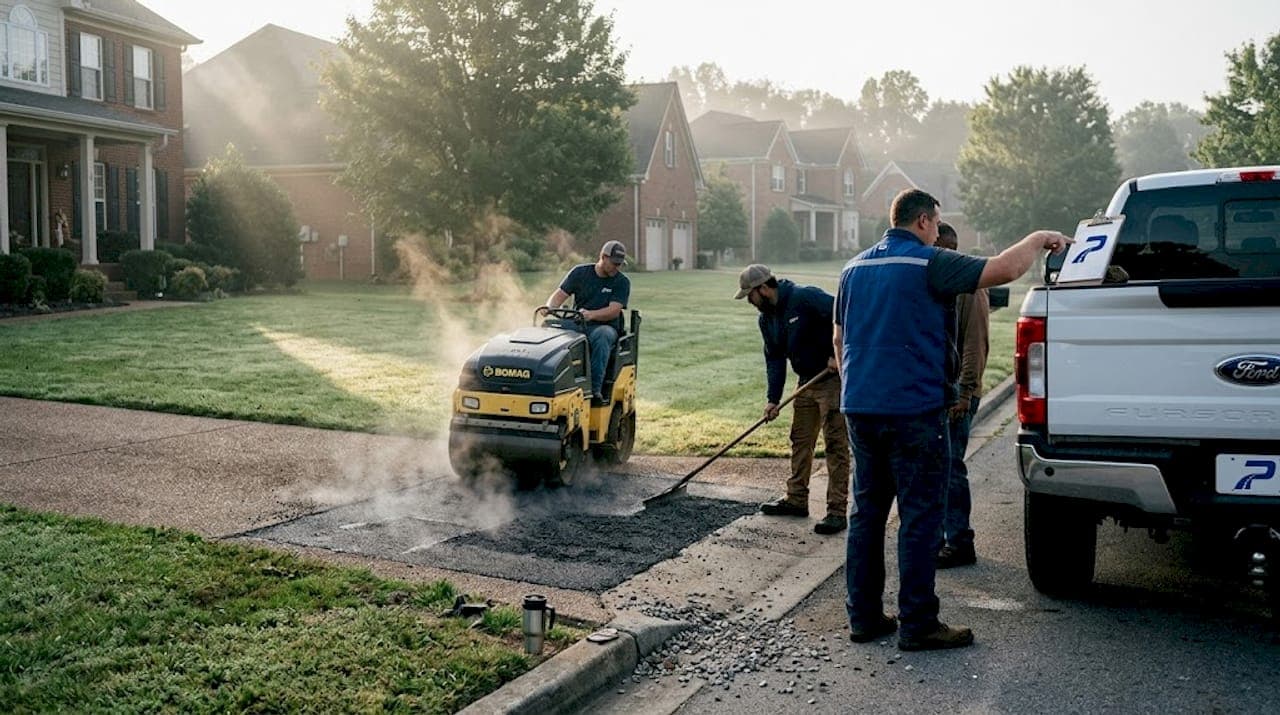
More Tennessee commercial properties are now using data-driven repair methods and on-site recycling to restore damaged parking lots, cutting costs and extending pavement life in ways that weren't widely available just a few years ago. Performance-grade binder and friction research shows that pavement rehabilitation decisions in 2026 increasingly incorporate performance-grade binder specifications and friction considerations using Tennessee-specific traffic inputs. If you manage a franchise location, warehouse, or commercial property across Tennessee and you're still relying on the same repair approach you used five years ago, this guide will show you exactly what's changed and why it matters to your bottom line.
Table of Contents
- What's driving change in asphalt repair for 2026?
- Top 2026 asphalt repair methods: What works best?
- Why local data and friction matter in Tennessee
- Applying 2026 trends: How to get the most from your asphalt investment
- The overlooked truth about modern asphalt repairs
- Partnering with Tennessee's asphalt repair leaders
- Frequently asked questions
Key Takeaways
| Point | Details |
|---|---|
| Data-driven decisions | Repairs that use local Tennessee traffic and friction data last longer and cost less over time. |
| Sustainable practices | Onsite recycling methods lower costs and reduce waste compared to traditional removal and replacement. |
| Tailored solutions | Choosing methods based on your property’s research-backed needs ensures safety and aesthetics. |
| Contractor selection | Demand clear, site-specific plans from your asphalt experts, not one-size-fits-all proposals. |
What's driving change in asphalt repair for 2026?
The asphalt repair industry isn't changing because of a marketing trend. It's changing because the data finally demands it. Property managers in Tennessee are dealing with heavier traffic loads, more extreme weather swings, and tighter budgets than ever before. The old approach of applying a generic national repair template to every surface simply doesn't hold up anymore.
One of the biggest catalysts is the shift toward region-specific design inputs. Tennessee pavement performance research confirms that pavement work in the state increasingly uses traffic clustering from weigh-in-motion (WIM) sites and annual average daily traffic (AADT) counts alongside friction measurement methods, rather than defaulting to generic national assumptions. In plain terms, this means your repair plan should be built around what's actually happening on your specific surface, not what happens on an average road somewhere in the country.
"Designing repairs without local traffic and friction data is like prescribing medication without running tests first. The results may help, but you're leaving a lot to chance."
Here's what's actively driving the shift in Tennessee:
- Traffic characterization: Heavy commercial vehicles, delivery fleets, and drive-thru queuing create unique stress patterns that require site-specific analysis before a repair plan is finalized.
- Climate variability: Tennessee's freeze-thaw cycles, summer heat, and rainfall levels accelerate pavement distress in predictable ways when you know what to look for.
- Material selection precision: Understanding your asphalt terminology is now more relevant than ever, because contractors are selecting performance-grade binders matched to local temperature ranges rather than defaulting to one standard mix.
- Regulatory alignment: Tennessee pavement standards are increasingly encouraging site-specific design documentation for commercial rehabilitation projects.
The bottom line is that what drives change in 2026 is real, measurable, location-specific data rather than guesswork or tradition.
Top 2026 asphalt repair methods: What works best?
Understanding the repair method options, here's how 2026's approach is more research-driven and regionally adapted than ever before. Choosing the wrong method doesn't just waste money on the repair itself. It often accelerates further damage and leads to another round of costly work within a few years. Let's break down the primary methods available and what each one is actually best suited for.
Hot in-place recycling (HIR) heats the existing pavement surface directly on site, mills and scarifies it, adds a rejuvenating agent to restore the aged binder, and repaves the layer without removing the material. This approach preserves the aggregate structure you already have and eliminates hauling costs entirely.
Cold in-place recycling (CIR) processes the existing pavement at ambient temperature, typically using emulsified asphalt or foamed asphalt as a stabilizing agent. Because no heat is required, CIR is generally faster and uses less energy. Cold in-place recycling is specifically recognized as a 2026 repair trend for reducing material waste while rehabilitating distressed pavement.
Full-depth reclamation (FDR) pulverizes the entire asphalt layer along with a portion of the base, then stabilizes and recompacts the material to create a new, stronger base. This is the right call when your pavement has failed structurally, not just at the surface level.
Sealcoating protects a surface that's still in good shape by sealing oxidation, repelling moisture, and restoring appearance. It does not fix structural problems. Reviewing the sealcoat vs. resurfacing comparison is a smart starting point if you're unsure which category your surface falls into. Beyond protection, sealcoating benefits include UV resistance, a refreshed appearance, and significantly slower oxidation of the underlying binder.
Overlays add a new asphalt layer over the existing surface, correcting moderate distress and restoring ride quality. They work well when the base is structurally sound but the surface layer has cracked or rutted beyond sealcoating's reach.
| Method | Best for | Sustainability | Cost range |
|---|---|---|---|
| Hot in-place recycling | Moderate to severe surface distress | Very high, no material removed | Moderate |
| Cold in-place recycling | Structurally weakened upper layers | Very high, no heat required | Low to moderate |
| Full-depth reclamation | Full structural failure | High, recycles all layers | Moderate to high |
| Sealcoating | Preventive care on sound surfaces | Moderate | Low |
| Overlay | Moderate surface damage, sound base | Low to moderate | Moderate |
Key benefits of recycling-based methods in 2026:
- Dramatically reduce landfill disposal of old asphalt
- Cut raw material costs by reusing existing aggregate
- Lower fuel and transportation costs compared to full removal
- Maintain or improve surface friction when properly designed
Pro Tip: Always assess surface condition before choosing a repair method. Applying a sealcoat over structurally failed pavement, or choosing an overlay when full-depth reclamation is needed, wastes money and delays the inevitable. A proper condition assessment protects your investment.
Why local data and friction matter in Tennessee
Now let's see how data-driven and sustainable practices come together when you plan real-world parking lot or driveway projects. The most technically sound repair method still fails if it's designed around the wrong inputs. Tennessee's traffic and climate profile is specific enough that using national averages will consistently produce underpowered or overcorrected designs.
The performance-grade binder and friction research used in Tennessee's 2026 pavement work relies on two critical data streams: AADT and WIM sensor data. AADT tells you how many vehicles use a surface each day. WIM sensors capture vehicle weight and axle configuration, which is what actually stresses the pavement structure below the surface you can see.
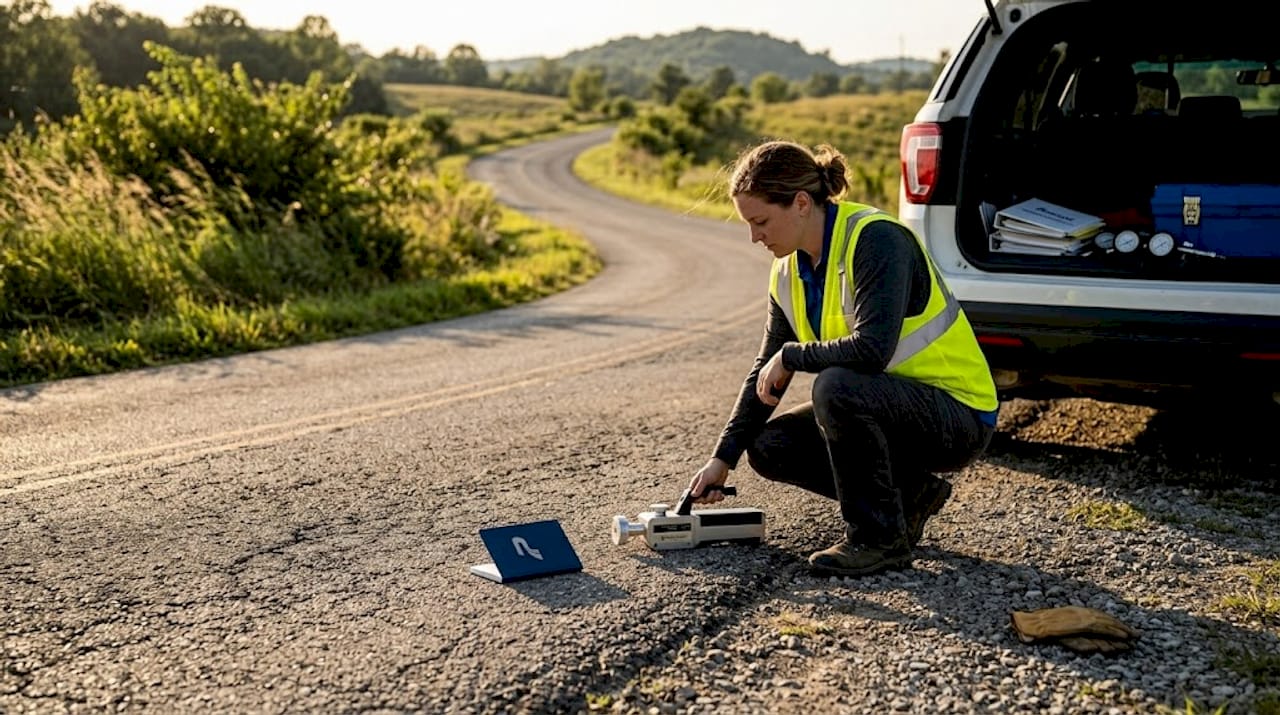
Friction measurement matters equally. A surface that loses friction becomes a liability, especially in high-traffic commercial settings like franchise drive-throughs, grocery store parking lots, and loading dock approaches. Low friction leads to skidding, accidents, and exposure to injury claims. Selecting surface treatments that maintain friction over the pavement's full service life is now a core part of 2026 design practice in Tennessee. Consulting the thermoplastic marking guide is also useful here because surface markings and their substrate interact directly with friction performance.
Here's how to incorporate local traffic and friction data into your project planning:
- Request AADT data for your specific site or the nearest comparable roadway from your contractor or local TDOT resources.
- Identify heavy vehicle patterns on your property. Delivery trucks, garbage trucks, and tanker vehicles create axle loads far beyond typical passenger cars.
- Commission a friction test if your surface shows polishing (smoothing of aggregate) or visible wear patterns, particularly in turning lanes or stop zones.
- Match binder grade to local temperature extremes. Tennessee summers reach sustained temperatures that soften softer binders, while winter lows require flexibility to prevent thermal cracking.
- Share all collected data with your contractor before any repair scope is proposed. A contractor who doesn't ask for this data isn't designing for your property's actual conditions.
| Data type | Why it matters | How to get it |
|---|---|---|
| AADT | Determines traffic volume and cumulative load | TDOT traffic maps, contractor analysis |
| WIM data | Captures axle weight and vehicle class | TDOT weigh stations, project-specific sensors |
| Friction index | Measures surface safety under wet conditions | On-site skid resistance testing |
| Pavement condition index | Rates overall distress level | Visual inspection with qualified contractor |
Pro Tip: Coordinate with your contractor specifically to request site-specific friction and traffic analysis before they propose a repair method. If a contractor submits a proposal without referencing your property's traffic profile, that's a signal they're working from a template rather than your actual conditions.
Applying 2026 trends: How to get the most from your asphalt investment
With all this detailed knowledge, it's time for a candid look at what property owners often miss and what really distinguishes a forward-thinking asphalt strategy. Knowing the trends is step one. Applying them correctly to your property is where the real return on investment (ROI) is captured.
Planning and prep checklist:
- Document current pavement condition with photos and timestamps before any contractor visits. This gives you a baseline and protects you if disputes arise.
- Identify your highest-traffic zones, including drive-throughs, loading areas, parking lanes near entrances, and accessible parking spaces.
- Review your last two repair cycles to determine how long previous treatments actually lasted versus what was projected.
- Establish a lifecycle cost budget, not just a per-project budget. A $4,000 repair that lasts three years is more expensive long-term than an $8,000 repair that lasts ten years.
- Confirm ADA parking lot compliance requirements are included in any repair or resurfacing scope. Non-compliance during a repair is a missed opportunity and a liability.
Vetting contractors for 2026 readiness:
Ask specific questions. A contractor who knows 2026 repair methods should be able to explain how they would use local traffic data to select a binder grade, whether they offer cold in-place recycling or partner with crews that do, and how they handle friction verification after surface treatments.
Recycling-oriented methods are increasingly a standard part of competitive contractor offerings in 2026. If a contractor only proposes full removal and replacement for every job, they may not be aware of or equipped for more cost-effective recycling options.
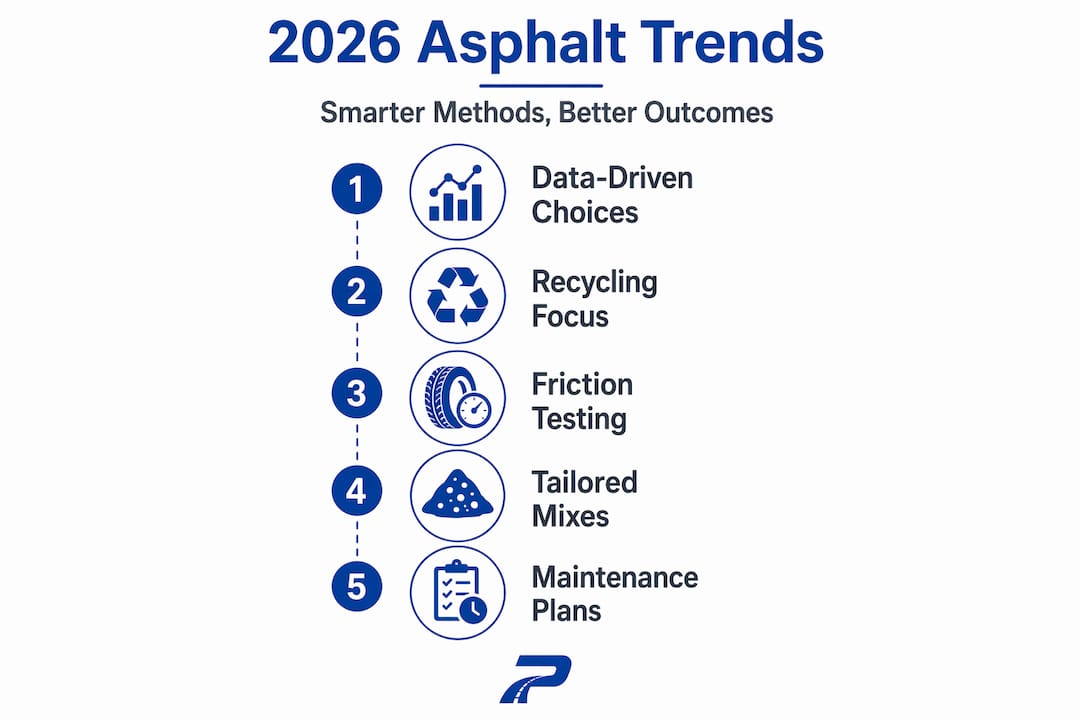
Budgeting for long-term performance:
Request itemized proposals that separate materials, labor, mobilization, and testing costs. This lets you compare contractors accurately rather than comparing lump sums that may include very different scopes. Ask each contractor to state the expected service life of their proposed repair under your specific traffic load.
Ongoing maintenance after repairs:
Even the best repair method needs a follow-up maintenance plan. Schedule a professional inspection twelve months after any major repair, and maintain a sealcoating cycle on treated surfaces every two to four years depending on traffic volume. Catching early distress signs like minor cracking before they grow is dramatically less expensive than waiting for structural failure.
Pro Tip: Demand clear, written communication about how your property's specific use data informed the repair recommendations. Any proposal that doesn't reference your traffic volume, vehicle types, or surface condition scores deserves a follow-up question before you sign anything.
The overlooked truth about modern asphalt repairs
Here's something we've seen consistently across Tennessee commercial properties: the gap between what current research recommends and what actually gets proposed to property owners is still surprisingly wide. Most contractors default to what they know and what their equipment already supports. That's understandable from a business standpoint. It's not acceptable from a property owner's standpoint.
Tennessee pavement performance research is explicit that traffic clustering and friction measurement should inform mix design and surface treatment selection. Yet the majority of commercial parking lot repair proposals we encounter are based on visual assessment alone, which is a 1990s approach dressed up in 2026 pricing.
The property owners who get the most out of their asphalt investments aren't the ones who accept the first proposal or choose the lowest bid. They're the ones who arrive at conversations already familiar with asphalt terminology, already asking about recycling options, and already requesting friction and traffic analysis as a prerequisite to any repair scope.
Legacy "one-size-fits-all" approaches are fading but they haven't disappeared. You'll still encounter contractors who recommend a full tear-out when cold in-place recycling would work just as well at 60% of the cost. You'll encounter proposals that recommend sealcoating over surfaces that need structural repair, because sealcoating is faster and more profitable to apply at scale.
The uncomfortable truth is that data-driven repair isn't more expensive. It's more honest. When a repair is designed around your property's actual traffic load and friction needs, you stop overpaying for treatments you don't need and start investing in work that lasts. That's where the real ROI is.
Partnering with Tennessee's asphalt repair leaders
Knowing what to demand from your next repair project is powerful, but working with a team that already brings these standards to the table makes the whole process easier and the results more reliable.
At Pinnacle Pavement Solutions, we build every repair scope around your property's real conditions, not a generic template. Our asphalt repair services are designed to incorporate the latest Tennessee-specific traffic and performance data, whether you need pothole repair, full-depth reclamation, or a complete resurfacing plan for a high-traffic franchise location. We also provide sealcoating services calibrated to your surface condition and traffic load so you're protecting pavement that actually warrants it. Drone-documented results, honest pricing, and clear communication about exactly how we're applying current research to your property are part of every job we do. Request a site-specific quote and see what a data-informed repair plan looks like for your location.
Frequently asked questions
How does recycling asphalt save on costs and resources?
Recycling-oriented methods reuse existing pavement materials directly on site, which eliminates raw material purchasing costs, hauling fees, and landfill disposal expenses all at once.
Why is friction testing important for commercial parking lots?
Friction testing measures whether your surface provides adequate grip under wet conditions, and Tennessee-specific friction research shows it directly informs surface treatment selection and long-term performance targets for commercial pavement.
What's the difference between hot and cold in-place recycling?
Hot in-place recycling heats the existing surface, mills it, adds a rejuvenating agent, and repaves on site, while cold in-place recycling stabilizes and reprocesses existing pavement layers at ambient temperature without heating equipment.
How do I make sure my contractor uses Tennessee's latest pavement data?
Ask for explicit references to local AADT counts and friction testing results in their written proposal, since Tennessee pavement performance work specifically uses traffic clustering from WIM sites and friction measurements to inform repair design.