
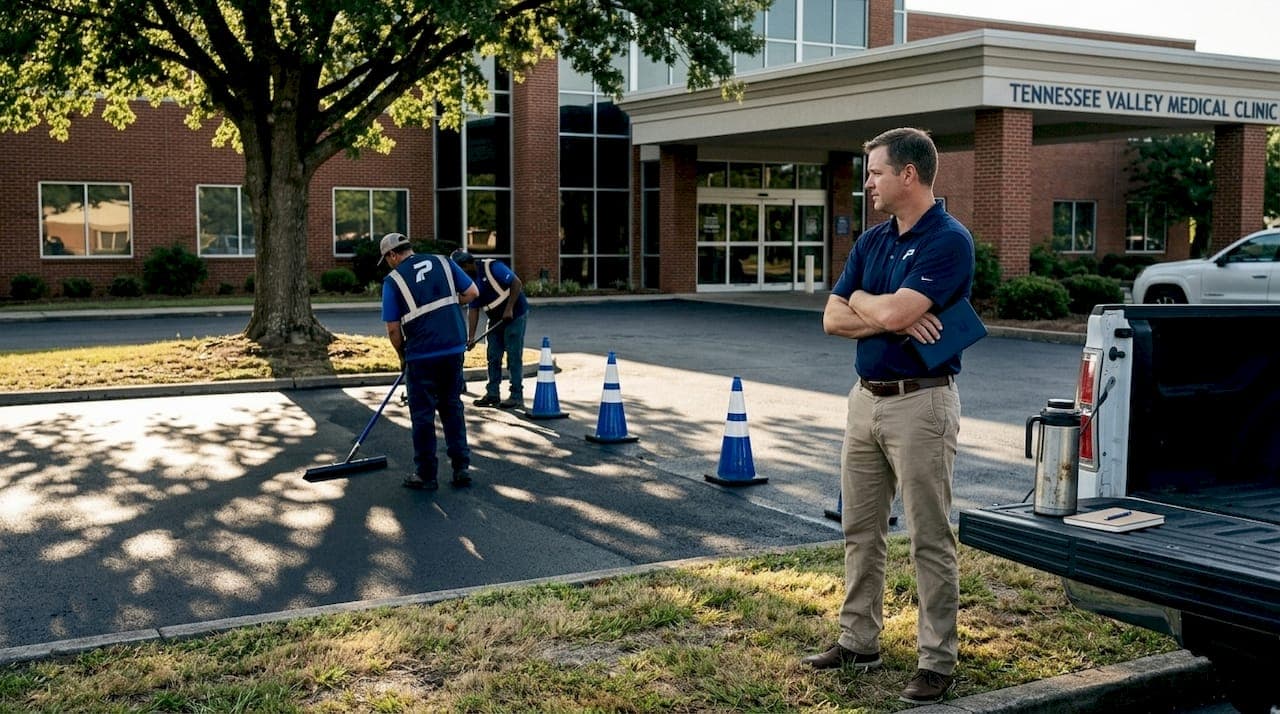
Your parking lot is often the first thing a customer, tenant, or inspector sees when they arrive at your property. Faded, cracked, and weathered asphalt sends an immediate message about how you manage your investment. For property managers and franchise operators across Tennessee, keeping asphalt surfaces in top condition is a constant balancing act between budget constraints, stakeholder expectations, and the relentless wear of UV rays, freeze-thaw cycles, and heavy traffic. Sealcoating is one of the most cost-effective tools in your maintenance arsenal, and understanding exactly how it works will help you make smarter decisions for every property you manage.
Table of Contents
- What is sealcoating and why is it preventive maintenance?
- Top benefits of sealcoating for commercial and franchise properties
- Benefit comparison: Sealcoating vs. skipping maintenance
- The pavement maintenance cycle: Scheduling sealcoating effectively
- Expert perspective: What most owners get wrong about sealcoating
- Connect with professional sealcoating experts in Tennessee
- Frequently asked questions
Key Takeaways
| Point | Details |
|---|---|
| Prevents asphalt damage | Sealcoating shields pavement from sun, water, chemicals, and oxidation, reducing wear. |
| Enhances property appearance | A freshly sealcoated lot looks new and attractive, boosting curb appeal. |
| Lowers long-term costs | Routine sealcoating reduces the need for expensive repairs and extends surface life. |
| Should be preventive, not reactive | Sealcoating works best on sound pavement before major deterioration sets in. |
| Part of complete care | Sealcoating is a key step in a smart, ongoing asphalt maintenance plan. |
What is sealcoating and why is it preventive maintenance?
Sealcoating is the process of applying a liquid protective coating over existing asphalt pavement. Think of it as a shield rather than a foundation. The coating bonds to the asphalt surface and creates a barrier against the elements that cause deterioration over time, including ultraviolet radiation, rain, oil spills, and road chemicals.
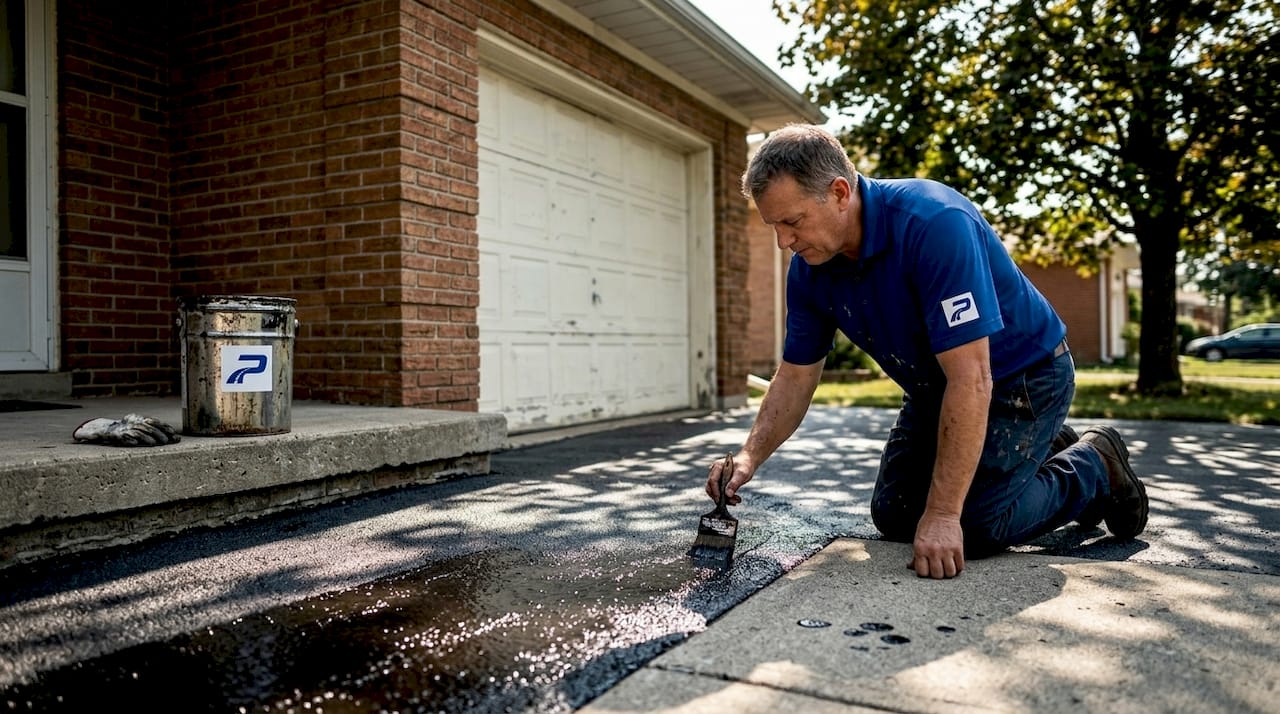
The best analogy is an oil change for your vehicle. You don't wait until the engine seizes up before you change the oil. You perform that maintenance on a schedule because it's far cheaper than replacing the engine. Sealcoating works the same way for your pavement. It keeps the surface healthy so you never have to face the enormous cost of full-depth replacement.
It's critical to understand what sealcoating is not. As noted by pavement professionals, sealcoating is preventive maintenance and is not a structural repair for failing base layers or major deterioration. If your parking lot has deep alligator cracking, heaving, or base failure, sealcoating will not solve those problems. You need to address structural issues first, then apply sealcoating as part of an ongoing preservation strategy.
"Professional sealcoating is preventive maintenance: it is not a structural repair for failing base layers or major deterioration." — Knox Exterior Care & Cleaning
Sealcoating belongs at the beginning of your maintenance cycle, not at the end when surfaces are already failing. Scheduling it proactively through a sealcoating services overview means you're protecting a healthy surface rather than trying to mask a damaged one. Property managers who understand this distinction save significant money over the lifetime of their pavement.
Top benefits of sealcoating for commercial and franchise properties
With a clear definition in place, let's look at the real, measurable advantages property owners get from regular sealcoating. These benefits apply directly to parking lots, drive-thru lanes, loading areas, and any other asphalt surface you manage.
-
Enhanced curb appeal. A freshly sealcoated surface looks almost as good as new asphalt. That deep, rich black color signals that your property is well-managed, which matters to prospective tenants, customers, and franchise inspectors.
-
Protection from UV radiation. Tennessee summers are brutal on asphalt. UV rays oxidize the binder in asphalt, causing it to become brittle and gray. Sealcoating reflects UV rays and dramatically slows this oxidation process.
-
Water and chemical resistance. Water intrusion is the primary cause of pavement failure. Sealcoating seals the small pores in asphalt that allow water to penetrate, freeze, and expand. It also resists fuel spills, motor oil, and road salts that break down asphalt binders.
-
Slowed pavement aging. Asphalt naturally loses flexibility as it ages. Sealcoating preserves that flexibility longer, reducing the likelihood of cracking under temperature swings and traffic loads.
-
Reduced long-term repair costs. Preventing surface damage is always cheaper than repairing it. A sealcoating application costs a fraction of what you'd spend on crack filling, patching, or resurfacing.
-
Easier cleaning and maintenance. A smooth, sealed surface is far easier to sweep, pressure wash, and maintain than rough, oxidized asphalt. This matters for franchise properties with strict cleanliness standards.
-
Improved safety. Sealcoating refreshes surface texture, which improves traction for both vehicles and pedestrians. It also creates a darker, more uniform background that makes parking lot striping more visible, reducing accidents and improving traffic flow. Pairing sealcoating with smart asphalt maintenance best practices keeps your surfaces safe year-round.
-
Demonstrated asset management. Showing stakeholders, boards, or corporate franchise partners that you have a proactive maintenance schedule in place builds credibility and protects your position as a responsible property manager.
Pro Tip: Schedule sealcoating during Tennessee's dry seasons, typically late spring through early fall, when temperatures stay above 50 degrees Fahrenheit and rain is not forecast for at least 24 hours after application. Applying sealcoat in cool or wet conditions leads to poor adhesion and premature failure.
As pavement preservation professionals note, sealcoating is best communicated internally as part of a pavement preservation cycle, not as a substitute for resurfacing when base failure or widespread structural distress is present. Frame it that way in your maintenance reports and budget proposals, and you'll get far less pushback from decision-makers.
Benefit comparison: Sealcoating vs. skipping maintenance
Now that the benefits are clear, see how choosing preventive maintenance stacks up against letting your surfaces deteriorate.
| Factor | Regular sealcoating | Skipping maintenance |
|---|---|---|
| Surface appearance | Rich black, professional look | Faded gray, worn, uninviting |
| Pavement lifespan | Can double pavement life | Significant reduction in usable years |
| Annual maintenance cost | Low, predictable, budgetable | High, unpredictable, reactive |
| Repair frequency | Minimal crack filling needed | Frequent patching and pothole repair |
| Liability exposure | Lower slip and trip risk | Higher risk of accidents and claims |
| Property value | Sustained or increased | Reduced due to visible neglect |
| Tenant/customer perception | Professional and well-managed | Neglected and poorly maintained |
| Long-term ROI | Strong, compounding over time | Poor, with escalating repair bills |
The numbers tell a clear story. Regular sealcoating can effectively double the usable life of your pavement, which is one of the most compelling statistics in commercial property maintenance. Consider that a full parking lot replacement can cost tens of thousands of dollars for a mid-sized commercial property. Even a fraction of that cost invested in consistent sealcoating over the years keeps that replacement bill at bay for a decade or more.
Neglected asphalt doesn't just look bad. It creates real liability exposure. Cracked and uneven surfaces are trip hazards, and property managers who ignore visible deterioration face potential legal consequences if someone is injured. As sealcoating is preventive maintenance rather than a structural fix, it's most effective when applied before surfaces reach a state of failure.
For properties that have already developed potholes or deep structural damage, those issues need to be addressed first with proper asphalt pothole repair solutions before any sealcoating is applied. Sealing over structural damage doesn't fix it. It hides it temporarily while the underlying problem continues to worsen.
Once structural issues are resolved, setting up a maintenance schedule that includes regular sealcoating is the smartest financial move you can make for your pavement assets.
The pavement maintenance cycle: Scheduling sealcoating effectively
Understanding the "why" of sealcoating is only half the job. Now it's time to put it into action with smart scheduling and clear communication.
Recommended sealcoating frequency by surface type
| Surface type | Recommended frequency | Notes |
|---|---|---|
| High-traffic parking lots | Every 2 to 3 years | Heavy vehicle loads accelerate wear |
| Drive-thru lanes | Every 1.5 to 2 years | Constant turning and idling degrades surface faster |
| Low-traffic parking areas | Every 3 to 4 years | Less wear but UV exposure still applies |
| Loading docks and delivery areas | Every 2 years | Chemical spills and heavy axle loads increase risk |
| Access roads and drive lanes | Every 2 to 3 years | Depends on traffic volume and vehicle types |
These intervals are general guidelines. Tennessee's climate, with its hot summers, occasional ice events, and significant rainfall, tends to accelerate asphalt aging compared to drier climates. Properties in areas with heavy tree coverage may also deal with more moisture retention, which warrants more frequent inspections.
Signs it's time to reseal your pavement
Watch for these indicators that your surface is ready for its next sealcoating application:
- Color fading. When asphalt turns from black to gray, oxidation is actively breaking down the binder. This is the most visible sign that UV protection has worn off.
- Hairline surface cracks. Fine cracks on the surface, called surface crazing, mean the asphalt is drying out and losing flexibility. Sealcoating at this stage prevents those cracks from widening.
- Loss of surface texture. Smooth, polished-looking asphalt has lost its aggregate texture, which reduces traction and increases skid risk.
- Water pooling differently. If you notice water no longer beads and runs off as it once did, the sealcoat has worn through and water is penetrating the surface.
- Faded striping. When your parking lot lines and markings become hard to see, the surface has been exposed long enough that resealing and restriping together make sense.
Pro Tip: When presenting sealcoating to your board or ownership group, frame it as an ongoing capital investment, not a one-time expense. Showing a five-year or ten-year maintenance projection with sealcoating costs versus projected repair and replacement costs makes the financial case far more convincing than simply asking for approval on a single application.
Communicating sealcoating as part of complete pavement programs helps stakeholders see it as a system rather than an isolated expense. When they understand that sealcoating, crack sealing, striping, and periodic repairs all work together as a preservation strategy, budget approvals become easier to secure.
As industry experts emphasize, sealcoating is best communicated internally as part of a pavement preservation cycle rather than as a reactive measure. Building that language into your maintenance documentation and budget presentations sets the right expectations from the start. For ongoing planning, reviewing your sealcoating maintenance planning options with a professional contractor helps you build a realistic, cost-effective schedule.
Expert perspective: What most owners get wrong about sealcoating
Here's the uncomfortable truth we see repeated across Tennessee properties every season: property managers call us after the damage is already done. The parking lot is cracked, the surface is crumbling at the edges, and the striping has all but disappeared. They want sealcoating to fix it. It can't.
The single biggest misconception in commercial pavement maintenance is treating sealcoating as a rescue operation rather than a prevention strategy. We understand why it happens. Budget cycles are tight, competing priorities pile up, and asphalt tends to degrade slowly enough that it's easy to push maintenance another year. Then another year. By the time it's visually alarming, the surface often needs structural work, not just sealing.
We've seen properties where a consistent sealcoating schedule every two to three years kept a parking lot in excellent condition for fifteen or more years without major reconstruction. Compare that to a similar property that skipped maintenance for eight years and ended up needing a full mill-and-overlay at a cost that dwarfed every sealcoating application they ever skipped. The math is not close.
Another mistake is applying sealcoating over surfaces that have active base problems. Sealcoating is preventive maintenance and cannot address structural failures. Sealing over alligator cracking or areas with base movement just delays the inevitable repair while making it harder to assess the true condition of the pavement underneath. A reputable contractor will tell you this upfront and recommend the right sequence of repairs before sealing.
The properties that get the most value from sealcoating are the ones that treat it like a scheduled service, the same way they handle HVAC maintenance or roof inspections. It's not glamorous. It doesn't show up on a highlight reel. But it quietly protects one of your most expensive physical assets year after year. Exploring the benefits of professional sealcoating with a qualified Tennessee contractor is the best first step toward building that kind of disciplined maintenance culture.
Connect with professional sealcoating experts in Tennessee
Protecting your pavement investment starts with working alongside a team that understands the full picture of commercial pavement maintenance, not just how to apply a coat of sealer.
Pinnacle Pavement Solutions brings professional-grade equipment, honest project assessments, and drone-documented results to every job across Tennessee. Whether you manage a single franchise location or a portfolio of commercial properties, our team helps you build a maintenance plan that fits your budget and keeps your surfaces looking sharp. Explore our work, review see successful projects from properties just like yours, and connect with our local sealcoating experts to get a clear, no-pressure quote. When you're ready to take a proactive approach to pavement care, learn more about Pinnacle Pavement Solutions and let's build a plan together.
Frequently asked questions
How often should commercial asphalt be sealcoated?
Most commercial parking lots benefit from sealcoating every two to three years, though high-traffic areas like drive-thru lanes may need attention every one and a half to two years depending on wear patterns.
Does sealcoating repair deep cracks or potholes?
No. As sealcoating is preventive maintenance and not a structural repair, deep cracks, potholes, and base failures must be addressed separately before any sealcoating is applied.
Is sealcoating worth it for old, damaged asphalt?
When surfaces show widespread structural distress, sealcoating adds little value because sealcoating is preventive maintenance rather than a fix for failing base layers. Heavily degraded pavement typically needs repair or resurfacing first.
Can sealcoating improve parking lot safety?
Yes. Fresh sealcoating restores surface texture for better traction, creates a uniform dark background that makes striping far more visible, and reduces the risk of surface-level trip hazards for both drivers and pedestrians.